
The Ultimate Guide to Buying & Selling Jamie Haller Secondhand
Jamie Haller's Design World
Understanding why Jamie Haller resells is partly understanding who Jamie Haller is. She is a 25-year veteran of the Los Angeles fashion landscape, including 11 years as creative director of NSF — and also a historic home restorer and interior designer. The brand is a direct expression of her own wardrobe logic: quietly but with purpose, laid-back and casual, understated.
Five years after launching with cult-favorite loafers, she has continued to expand into new categories — most recently handbags and jewelry — but the core ethos hasn't shifted. Everything she makes is something she personally needed and couldn't find. That constraint produces pieces with a clarity of vision that tends to age extremely well on the secondhand market.
Finding Jamie Haller on the secondhand market doesn’t have to be difficult. Her loafers and slippers have become beloved by the most stylish millennial women you know, including celebrities like Emily Ratajkowski and Mandy Moore. The scarcity is structural: shoes are made in small batches in a Tuscan atelier that limits how many pairs are produced per day. When pieces do surface secondhand, they tend to move fast — and often at or above their original price.
Why Jamie Haller Holds Its Value
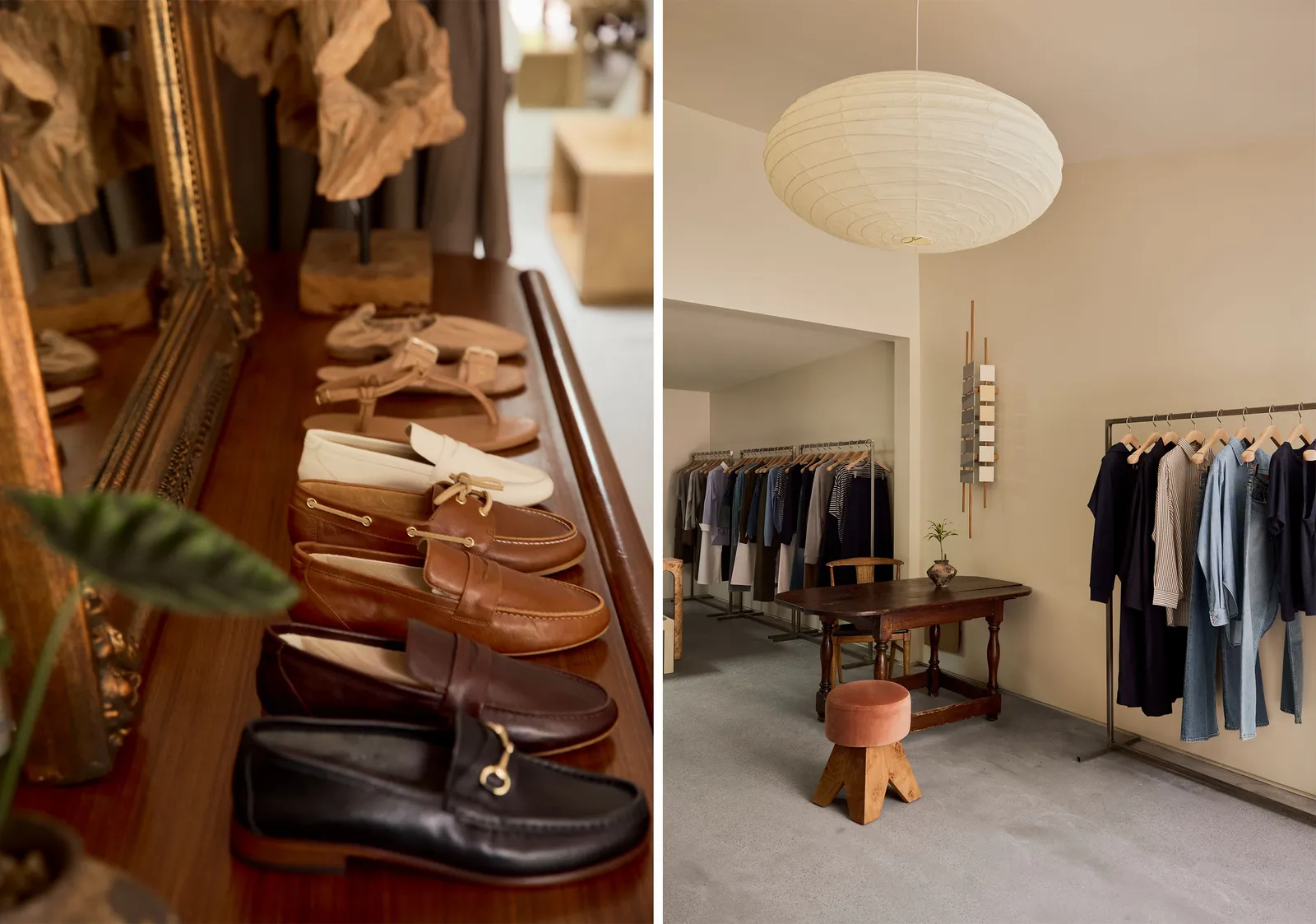
The resale case for Jamie Haller starts with how the brand is made. Her shoes are handmade in an old Dior atelier by artisans using a 100-year-old Italian sacchetto construction technique — a method that creates a glove-like fit and elevates both the look and feel of the shoe. That's not marketing language. It's a production reality that creates natural scarcity: you cannot scale this overnight.
The materials are soft to the touch, made in small batches; the silhouettes are both polished and unassuming, specific and versatile. These are not trend pieces. They are wardrobe infrastructure — the kind of thing someone parts with reluctantly, and someone else picks up immediately.
The broader market supports this logic too. The secondhand apparel market in the U.S. grew 14% in 2024, significantly outpacing traditional retai, with shoppers increasingly treating secondhand as a primary channel rather than a fallback.
Which Jamie Haller Pieces Resell Best
The Penny Loafer is the anchor. If you spend any time on fashion Substack, you're probably familiar with the cult following behind Jamie Haller's shoes— and the loafer sits at the center of it. Inspired by the handsome lines of a 70s Italian men's loafer with the understated soul of a slipper, it reads as both investment and everyday uniform. Limited-edition colorways — the Bronzo, the Oxblood, the Oxblood in hand-waxed buffalo — command the strongest secondhand prices and are the hardest to find.
The Jutti Slipper is the sleeper. Haller found the Jutti slipper in a market in India 15 years ago, wore her pair until it was beyond repair, and eventually made her own version— that origin story is baked into the cultural value of the shoe. On resale platforms, Juttis in discontinued colors or pre-2024 sizing (which ran slightly larger) are particularly sought after.
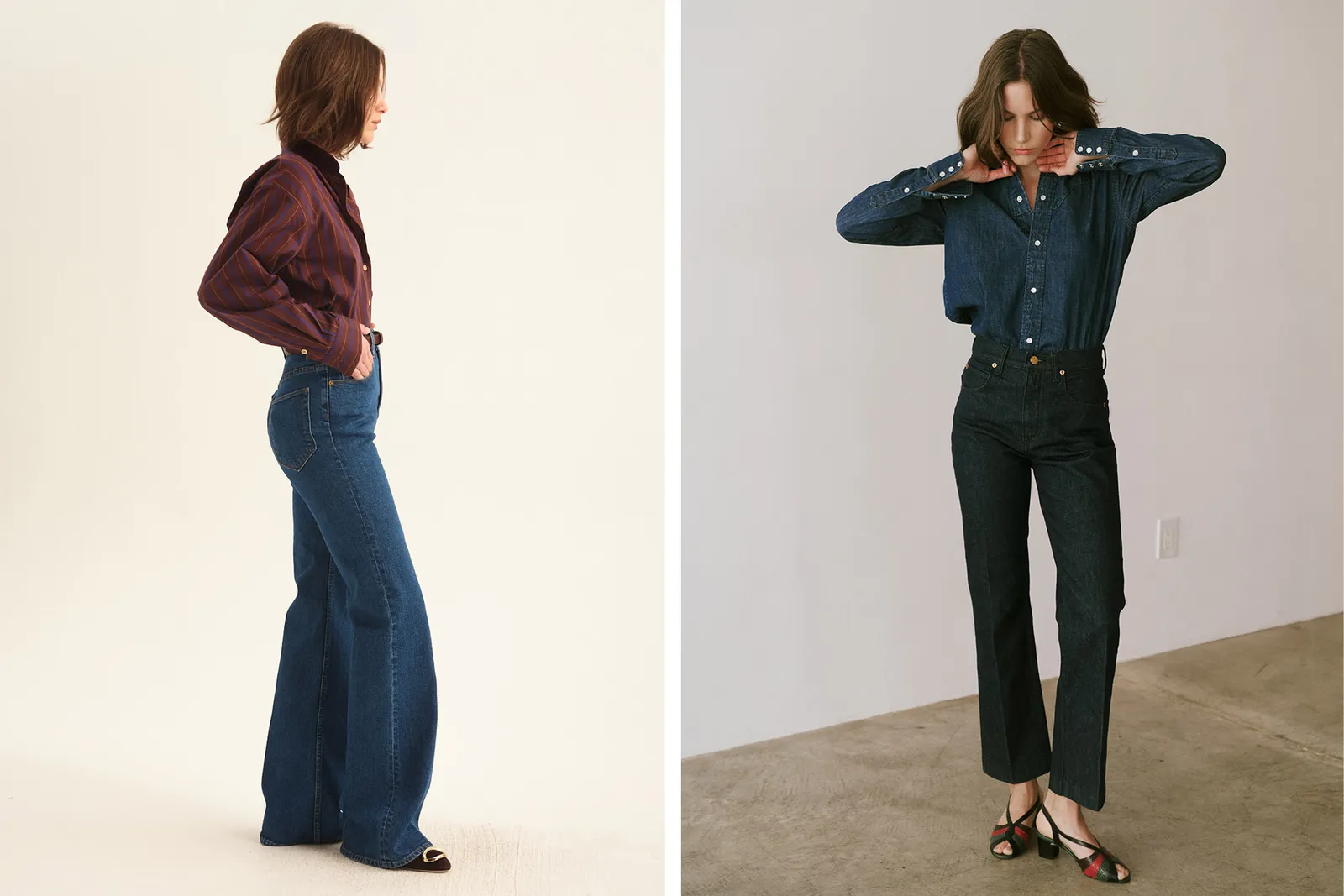
The Slouch Jean is the one to watch in denim. Made from 100% regenerative 12 oz. denim, cut with a slightly slouched mid-rise that hits right at the ankle, it's the kind of silhouette that photographs as effortlessly as it wears. Made in the USA in small runs, early washes — particularly the Worn Indigo — are difficult to find new and circulate quietly on Noihsaf and Poshmark when they do appear.
Where to Buy Jamie Haller
The brand's own site, shop-jamiehaller.com, is the primary source — and the most reliable place to find current inventory, new colorways, and sizing updates as they're released. If you're on the waitlist for a specific style, this is where it matters most.
For in-person shopping, Jamie Haller is carried at a tight network of boutiques chosen for their curatorial point of view: Goop, By George in Austin, Assembly New York, and Mohawk General Store among them. Shopbop carries select styles online for those who prefer a larger platform with easy returns.
The secondhand market is increasingly necessary rather than optional — because production is intentionally small and certain colorways sell out within days of dropping, the resale market is often where the search ends up.
Future Reference is the best place to start. Listings are receipt-verified and sourced from a community of people who actually wear the brand, so you can trust both the condition and the context. For a label this rooted in its community, that matters.
The RealReal is worth checking for denim specifically — the Slouch turns up there with some regularity, often at lower prices than you'd find elsewhere. The tradeoff is that condition descriptions can be inconsistent, and without receipt verification it's harder to assess what you're getting before it arrives.
Poshmark has the widest selection of shoes, particularly older colorways and limited editions that have long since sold out on the primary market. Prices tend to start high, but the platform's offer feature gives you room to negotiate — it's worth making a move before paying asking price.
The Scarcity Factor
Unlike brands that manufacture to demand, Jamie Haller is structurally limited in what she can produce. Even as she was scaling clothing, she was still navigating the difficulty of keeping up with demand for handmade shoes from Tuscany. The brand is deliberately tight on wholesale, too — distribution is kept selective, with stockists chosen for their reputation for actually partnering well with designers.
What this means in practice: if you want a specific colorway, size, or silhouette and it's sold out on the site, the secondhand market may be your only option. And sellers know it.
Where to Sell Your Jamie Haller Pieces
The easiest place to start is your Future Reference wardrobe. Add your Jamie Haller pieces directly from your digital closet — F|R's brand database auto-populates item details, so you're not writing descriptions from scratch or hunting down style names. Once your piece is in your wardrobe, converting it to a live listing takes seconds, with verified pricing guidance built in.
[add images of searching jamie haller DB to list]
Most listings on Future Reference are receipt-verified and brand-matched, meaning your piece surfaces to buyers who are already looking for Jamie Haller specifically — not scrolling past it in a sea of unrelated inventory. Unlike platforms that take 30–50% commission or strip you of pricing control, F|R keeps you in the driver's seat while putting your piece in front of exactly the right audience. Start with your wardrobe here →
Authentication: What to Know
Jamie Haller pieces aren't heavily counterfeited yet — the brand is too small and too craft-forward to attract the sophisticated fake operations that target Hermès or The Row. But as the brand's profile grows, a few things are worth knowing before you buy secondhand.
For shoes, the most reliable tell is construction quality. Authentic pairs use old-world sacchetto construction — the upper is sewn to the sole and flipped inside out, creating a contoured, glove-like fit. Fakes or heavily worn pairs will feel flat and stiff by comparison. Real Jamie Haller shoes mold to the foot over time; they shouldn't feel rigid straight out of the box.
Check the leather. The brand's materials have highs and lows — a natural look and a feel that changes over time, developing a patina like unvarnished brass. Synthetic-feeling or uniformly smooth leather is a red flag. The brand uses Italian vegetable-tanned skins, calfskin, and hand-waxed buffalo depending on the style — each with a distinct, slightly imperfect texture that's hard to replicate cheaply.
For denim, check the label and wash. The Slouch jeans are made in the USA in 100% cotton — no poly blends. Pre-2024 washes have slightly different fits than current stock, which is worth noting for sizing on the secondary market.
Proof of purchase matters. Listing with an e-receipt or a Future Reference authenticity badge tied to your original order significantly increases buyer confidence and listing performance — especially as Jamie Haller grows and secondhand supply tightens further.
Key Pieces to Look for on the Resale Market
The Penny Loafer in Oxblood — hand-waxed buffalo leather, the one that started the community. Pre-2024 sizing runs larger; current stock is truer to EU standards. If you find a gently worn pair in Oxblood, that's the one.
The Jutti Slipper in discontinued colorways — Rugine, Tobacco, early Bare iterations. These were small-run styles that the brand has since evolved or retired. They come up rarely.
The Slouch Jean in Worn Indigo — the original wash, made in the USA, 100% cotton. Resale listings for this style are thin. When they appear, they go quickly.
The Ballet Flat in any leather iteration — the brand's debut silhouettes included ballet flats, penny loafers, and Jutti slippers, and the early ballet flat production runs were extremely limited. Finding an early pair in good condition is genuinely rare.
FAQ About Jamie Haller
When was the brand founded? 2020.
Where are the shoes made? Handmade in Tuscany, Italy, in a family-run atelier using sacchetto construction.
Where is the denim made? In the USA, in 100% cotton.
Where does Jamie Haller sell? Direct via shop-jamiehaller.com, and at select boutiques including Goop, By George Austin, Assembly New York, Mohawk General Store, and Shopbop.
Why does Jamie Haller resell well? Small-batch production, cult following, and a design philosophy built around timeless silhouettes rather than trend cycles. Specific colorways and pre-2024 styles are particularly scarce.
Is Jamie Haller a good investment for resale? Yes, especially limited-edition colorways, early production shoes, and the Slouch denim. The brand's community is deeply loyal, demand consistently exceeds supply, and secondhand inventory is thin relative to how actively people are searching.
